

BIAF 2026: A Tribute to Florence
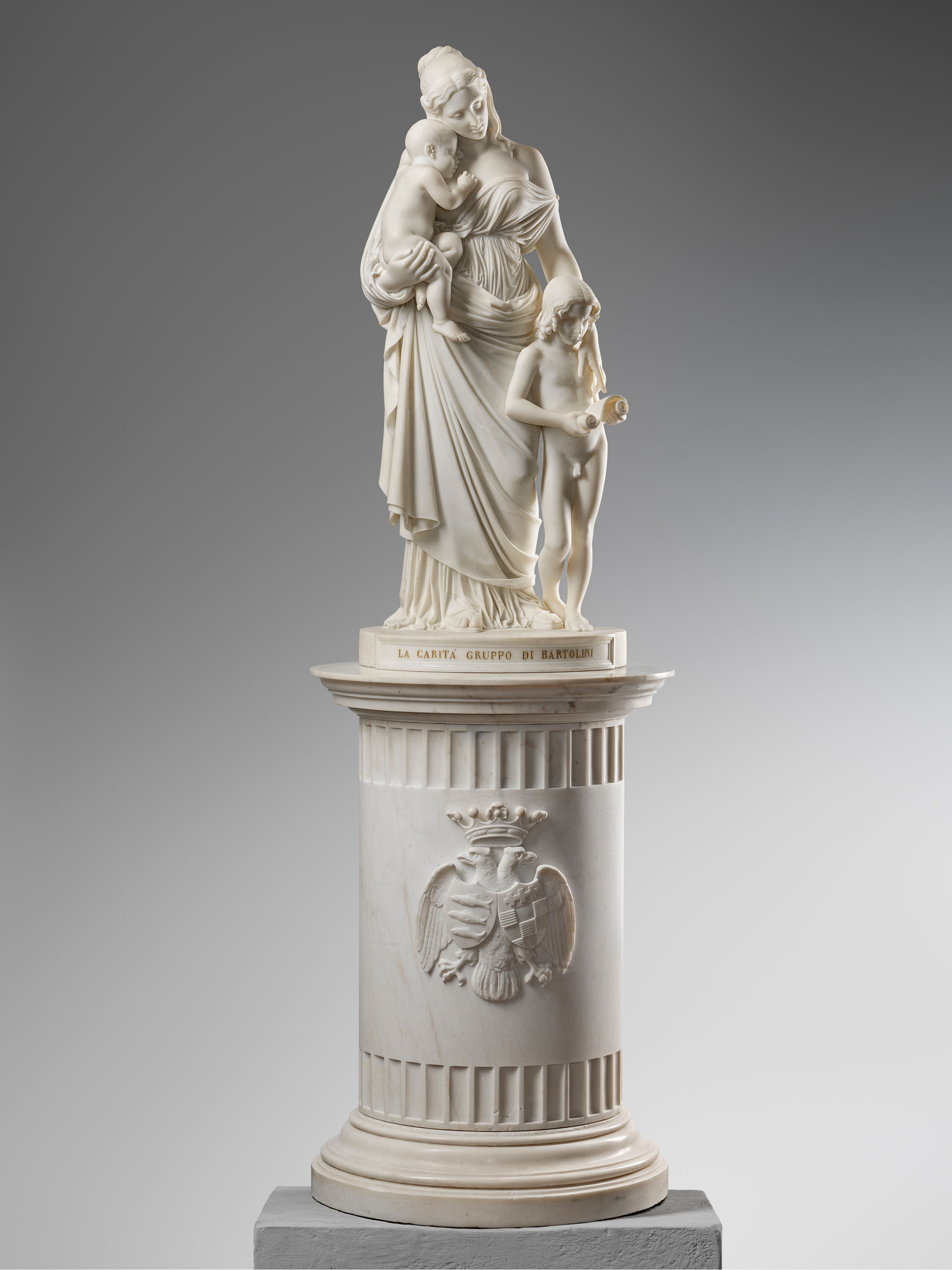
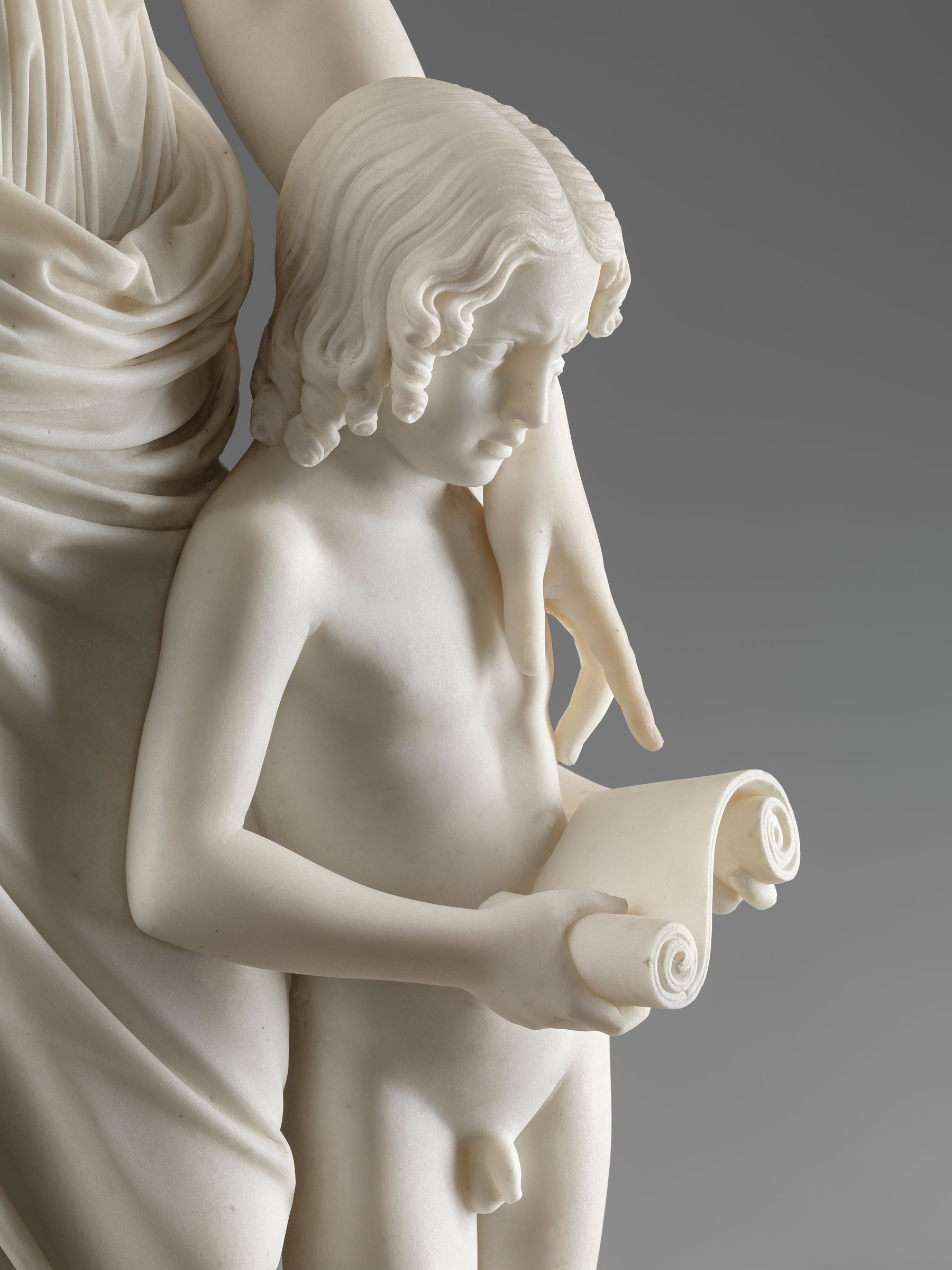
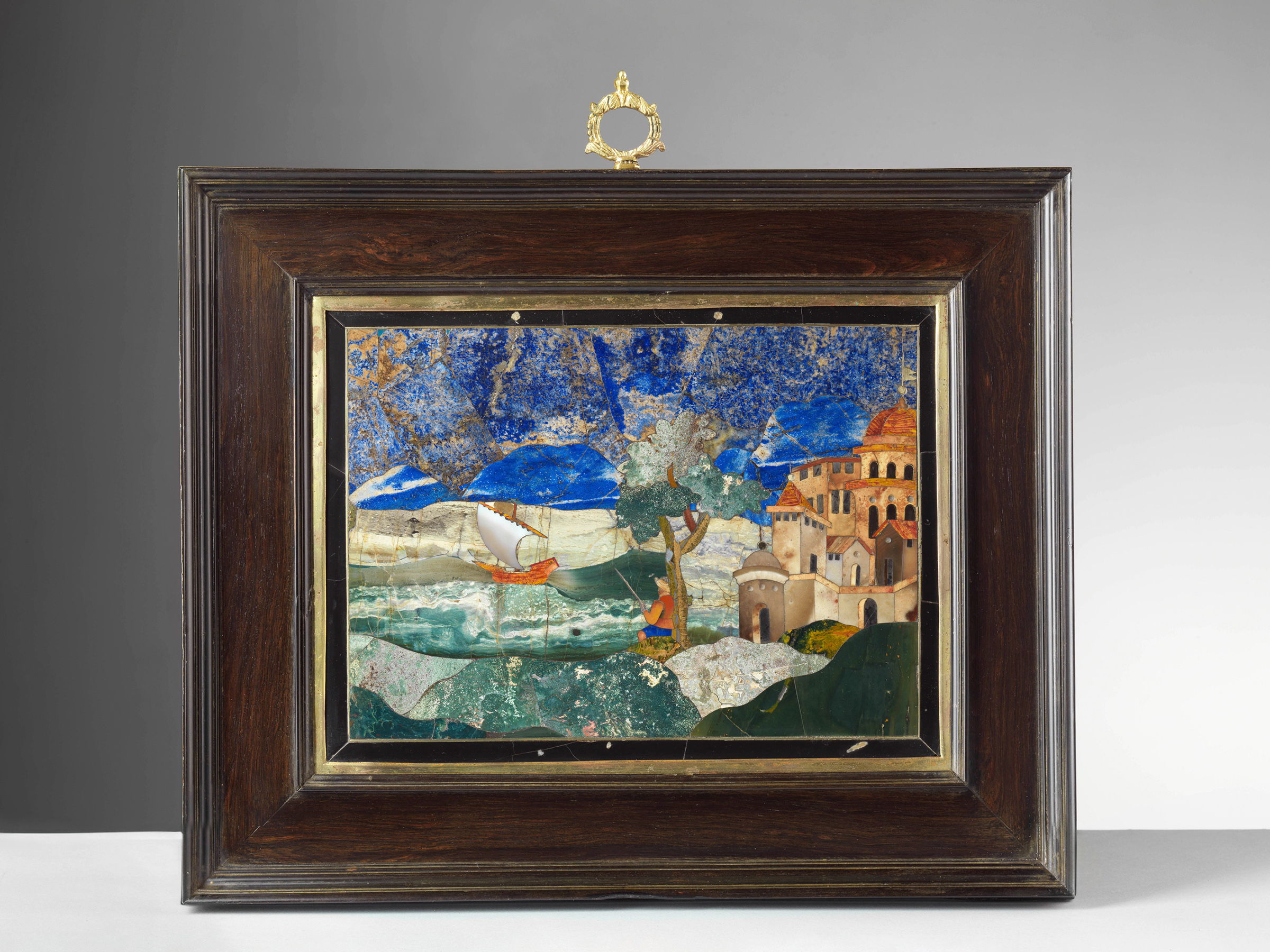
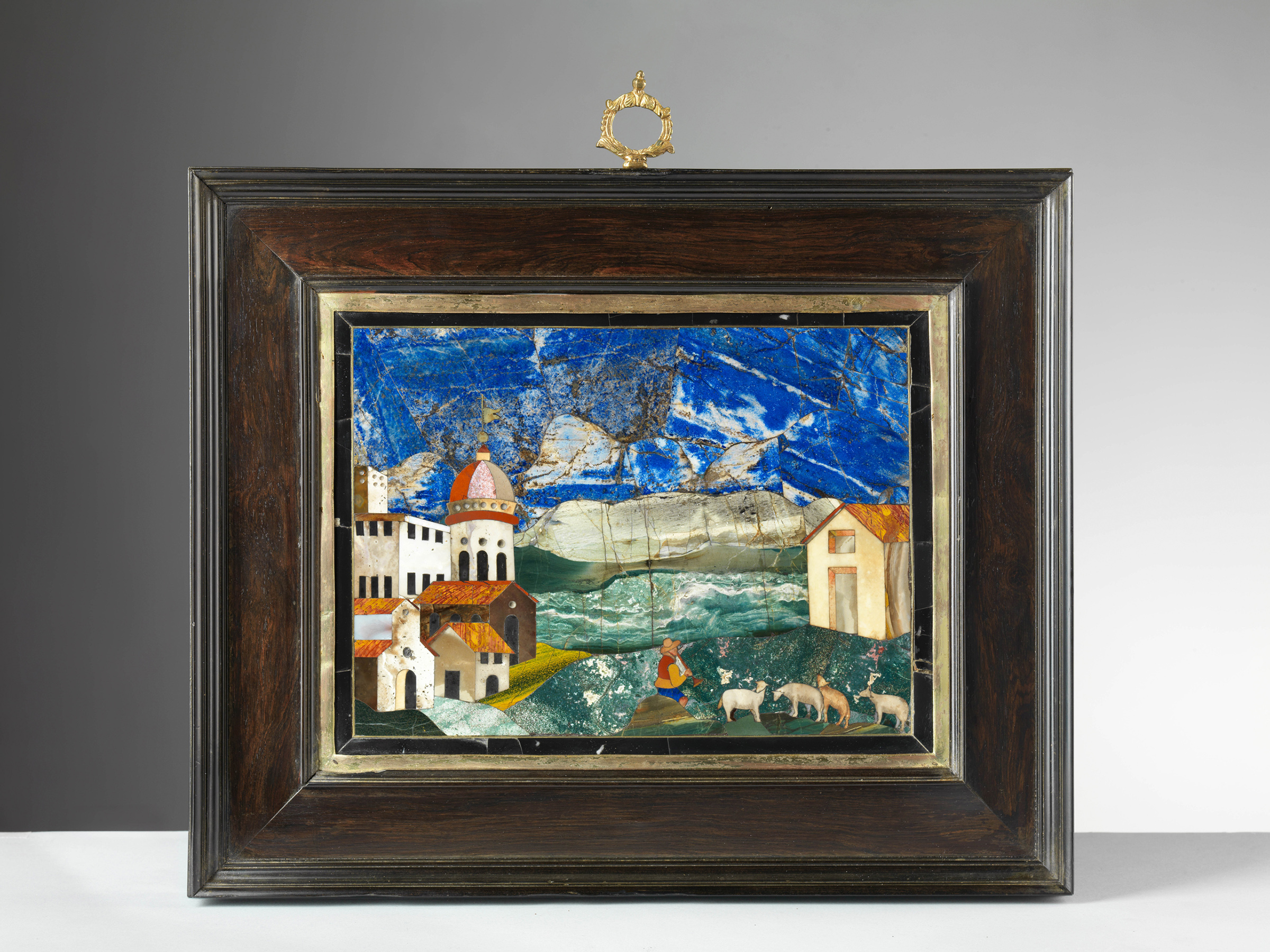
For our gallery this edition of BIAF is intended as a tribute to the magnificent city that hosts us: Florence. Florentine sculpture and works of art will be presented in a stand specifically designed as a space where each individual work can reveal its very essence and purpose.
Amid the many rich offerings of the fair, our aim is to invite visitors to take a breath, to slow their gaze and approach the works from a different perspective: that of objects living in their own time. Through this historical context, the reasons behind their commissions, the artists’ visions, and the language of their age, we seek to tell the story of why and how these works came into being, building a bridge that draws them to us and allows them to emerge as living, comprehensible, and remarkably relevant creations.
The monumental marble portrait of Cosimo III de’ Medici in Classical Attire, a masterpiece by Lorenzo Merlini, reveals its essential, profound objective: an extraordinary example of the dialogue between the memory of antiquity and modern portraiture, between celebratory rhetoric and the observation of truth. Its creation, in 1694, is documented by the artist himself in his autobiography, where the identity of its patron, Marchese Clemente Vitelli, is also recorded.
The silent dialogue of Lorenzo Bartolini’s Charity leads us into the heart of the sculptor’s poetic vision and of the ideal of bello naturale (“natural beauty”) that shaped nineteenth-century sculpture. A reduced version of the group preserved in the Palatine Gallery of Palazzo Pitti, this work was commissioned in 1846 by the Balbi Senarega family to celebrate the marriage of Francesco Balbi and Maddalena Pallavicino. In the relationship between the figures, one recognizes Bartolini’s ability to transform a universal sentiment into a form of profound naturalism.
Three landscapes executed in the commesso technique of hardstones finally reveal the close relationship between nature and techné: between the precision of craftsmanship and the ability to transform the observed world into an image.
In this dialogue between past and present, Florence is not merely the backdrop, but the key: it is within its history that these works found their meaning, a meaning that we are still invited to rediscover today.
